

Night-time driving is a regular part of trucking, especially for owner-operators aiming to avoid traffic and meet tight delivery schedules. While roads may be quieter after dark, driving at night comes with unique risks that require extra awareness, preparation, and discipline.
Understand the Challenges of Night Driving
Reduced visibility, fatigue, and limited reaction time make night driving more demanding than daytime travel. Recognizing these challenges is the first step toward staying safe.
Limited depth perception and visibility
Increased risk of drowsiness
Higher likelihood of impaired or distracted drivers
Prioritize Rest Before Night Runs
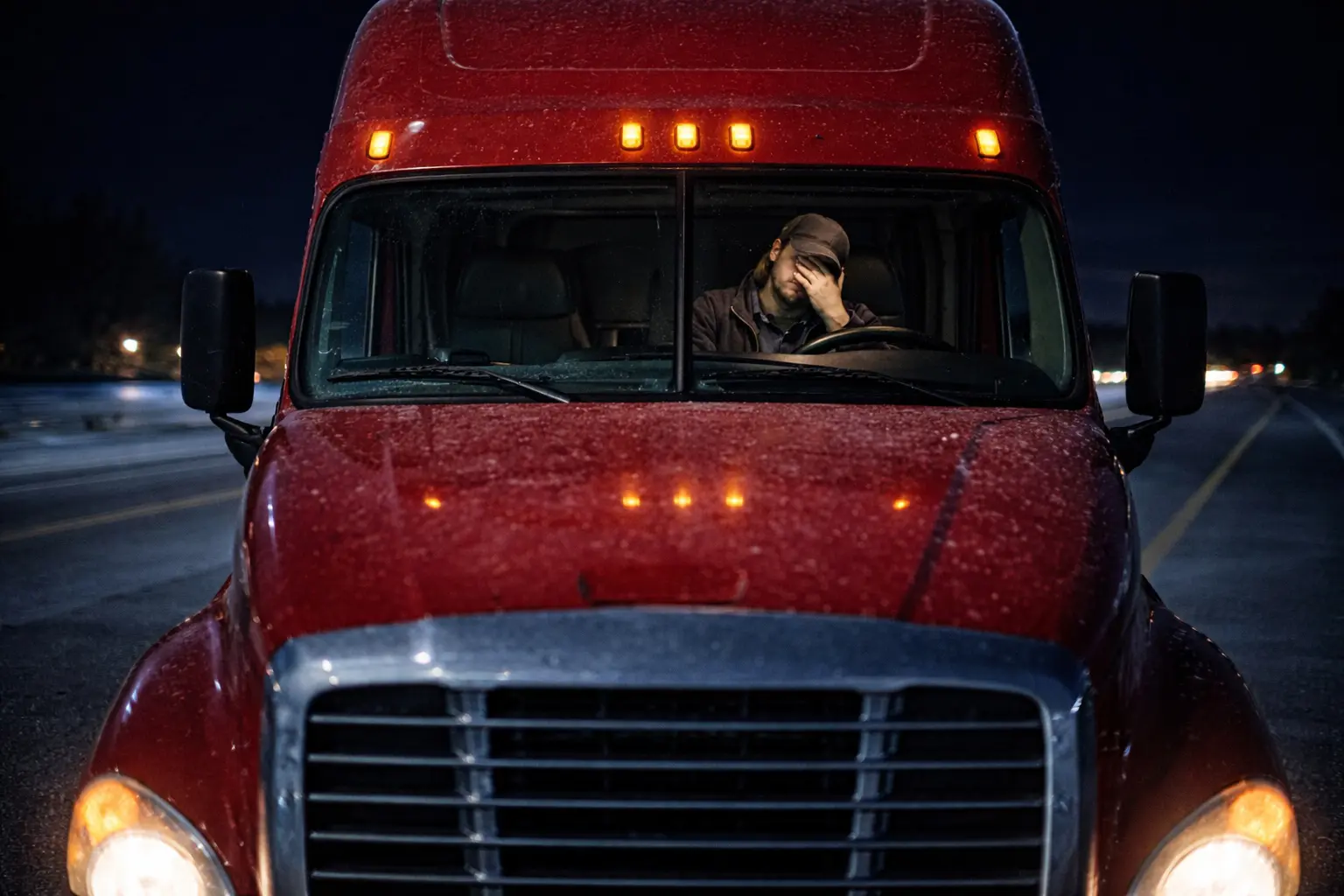
Fatigue is the biggest danger during night-time driving. No amount of experience can replace proper rest. Always plan your schedule to ensure you are well-rested before starting a night shift.
Get quality sleep before driving
Avoid starting long night drives when already tired
Take scheduled breaks to stay alert
Maintain Proper Visibility
Clear vision is critical after dark. Make sure your truck’s lighting and visibility systems are in top condition.
Clean headlights, mirrors, and windshield
Adjust mirrors to reduce glare
Use high beams responsibly when appropriate
Control Speed and Increase Following Distance
At night, hazards appear with less warning. Driving slightly slower and maintaining extra following distance gives you more time to react to sudden changes.
Remember: reduced visibility means reduced stopping distance.
Stay Alert and Mentally Engaged
Keeping your mind active helps fight fatigue. Simple habits can make a big difference during long night drives.
Open windows briefly for fresh air
Listen to engaging (but not distracting) audio
Stop immediately if you feel drowsy
Watch for Wildlife and Road Hazards
Animals are more active at night, especially on rural highways. Be extra cautious in areas with limited lighting.
Scan road edges continuously
Slow down in wildlife-prone areas
Avoid sudden swerving
Use Dispatch Support to Plan Night Routes
Professional dispatch support can help plan safer night routes, avoid construction zones, and schedule rest breaks effectively.
Smart planning reduces unnecessary risk and improves overall trip efficiency.
Final Thought: Night-time truck driving requires discipline, awareness, and respect for your limits. With proper rest, cautious driving habits, and good planning, owner-operators can navigate night routes safely and confidently.