
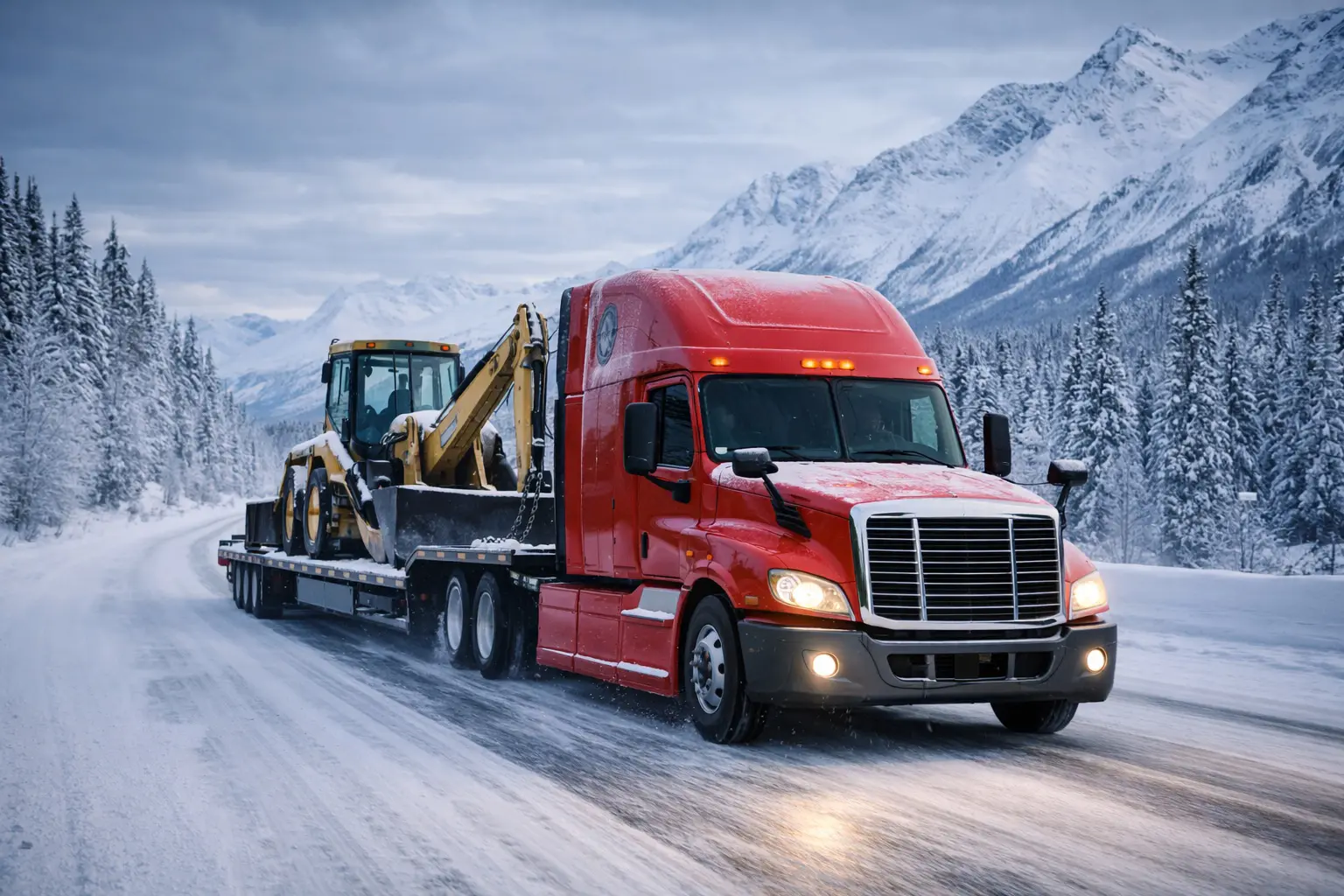
Winter weather can turn a normal trip into a high-risk drive within minutes. Snow, ice, freezing rain, and low visibility reduce traction and increase stopping distances—especially for loaded semi-trucks. At TRYKING, we believe winter safety is about preparation, patience, and smart decision-making.
Why Winter Driving Is More Dangerous for Trucks
A semi-truck needs more time and distance to stop, and a small loss of traction can become a major slide with a heavy load. Winter also increases the chances of sudden road closures, chain requirements, and delays at shippers and receivers.
-
Reduced Traction: Ice and packed snow make braking and turning far less predictable.
-
Longer Stopping Distance: Even with good brakes, slick roads can double or triple stopping distance.
Do a Winter-Ready Pre-Trip Inspection
Many winter issues can be prevented before the truck moves. A strong pre-trip inspection is your first defense.
Tires & Tread: Check tread depth, pressure, and overall condition.
Lights & Visibility: Confirm headlights, marker lights, and defrosters are working.
Brakes: Inspect for proper response and any signs of air leaks.
Wipers & Washer Fluid: Use winter-rated fluid and replace worn blades.
Slow Down and Increase Following Distance
Speed is one of the biggest causes of winter crashes. Slowing down gives you more reaction time, and increased following distance gives you room to stop without panic braking.
Reduce speed before curves, bridges, and shaded areas.
Keep extra distance behind all vehicles, especially four-wheelers.
Avoid sudden steering, braking, or lane changes.
Know When to Stop
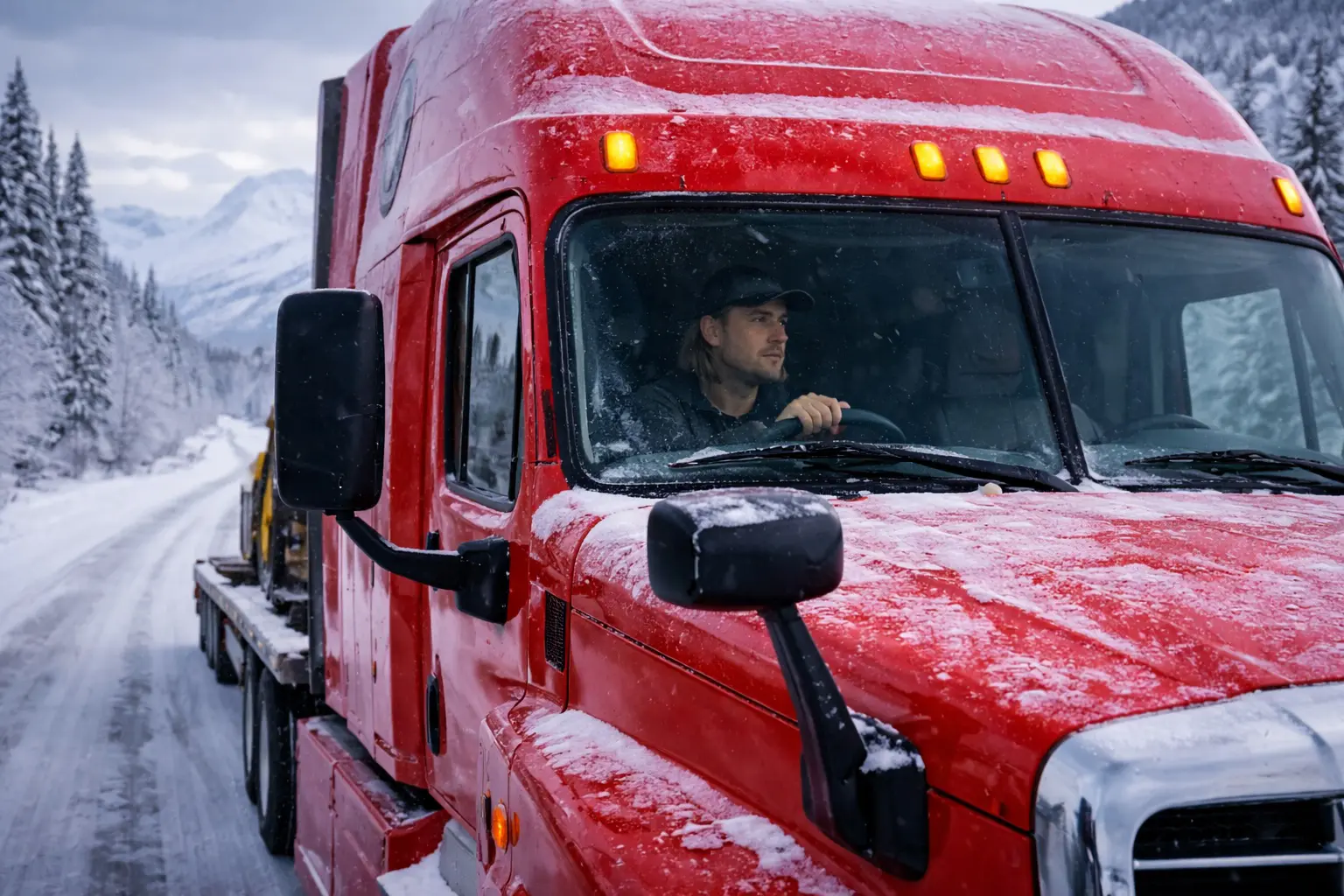
The most professional decision in winter is sometimes to shut down. If visibility drops, roads are icing, or your truck begins to lose traction, it may be safer to park and wait.
Whiteout Conditions: If you can’t see, you can’t drive safely.
Freezing Rain: Often more dangerous than snow—traction disappears fast.
Chain Requirements: Follow local rules and never guess.
Use Gentle Controls on Ice
Winter driving requires smooth control. Harsh braking or sudden throttle changes can trigger skids.
Brake early and lightly, using steady pressure.
Avoid cruise control on wet, icy, or snowy roads.
Use engine braking carefully—too aggressive can cause loss of traction.
Carry a Winter Emergency Kit
Winter delays happen. A basic emergency kit can make a big difference in comfort and safety.

Warm gloves, extra clothing, and blankets
Flashlight, batteries, and reflective triangles
Food, water, and a phone charger/power bank
Ice scraper and basic tools
Let Dispatch Support Help You Drive Safer
Good dispatching matters even more in winter. Better routing, realistic appointment planning, and safety-first decision making reduce pressure on drivers.
At TRYKING, our truck dispatch services help drivers avoid unnecessary risk by planning smarter lanes and supporting safe choices.
Final Thought
Final Thought: Winter trucking is not about being fearless—it’s about being prepared. Slow down, drive smooth, inspect your equipment, and never hesitate to stop when conditions demand it. Safe winter driving protects your life, your truck, and your long-term success.